How a race weekend is actually built
Three sessions, one after another, always in the same order. It looks like tradition, but every part of it exists for a reason — and once you know the reason, a weekend stops being three events and becomes one argument.
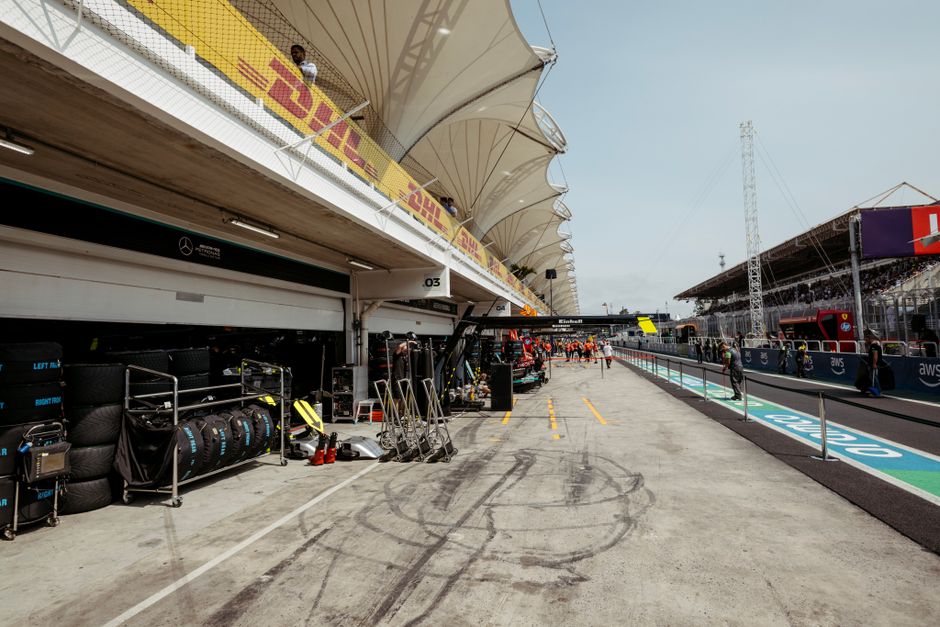
Turn up at a circuit on a Friday and almost nothing seems to happen. Cars go out, come back, go out again. No positions, no result, no obvious drama. Yet by Sunday afternoon most of what decides the race has already been settled, and it was settled in those quiet sessions nobody watches.
Practice: finding out what you have
Practice is not warming up. It is the only time a team gets to ask questions of the car with nothing at stake. Spring rates, tyre pressures, where the brake bias wants to be — each run is a test with one variable changed. A team that arrives with no plan burns the session learning what it could have learned at home, and pays for it all weekend.
This is also when drivers build the mental map of the circuit for that specific day: where the grip actually is, which kerb can be used, where the wind is pushing. Track conditions move constantly as rubber goes down, so the answer found at ten in the morning is rarely the answer at four in the afternoon.
Qualifying: one lap, no excuses
Qualifying strips everything back to a single question — on an empty track, who is fastest? There is no traffic to blame, no strategy to hide behind. It is the purest measurement of the weekend, and it sets the grid, which on many circuits is the single biggest predictor of where a car finishes.
Track evolution
The surface gets quicker as the session runs. Going out early is safer; going out late is usually faster. Pick wrong and a good lap is still a bad grid slot.
Traffic
One slow car in the wrong corner ruins the only lap that counted. Finding clear air is half the job, and it is the engineer's job, not the driver's.
Tyre window
Most tyres give their best for a lap or two. Too early and they are cold, too late and they are gone.
The race: where the other two get spent
By the time the lights go out, the car is fixed, the grid is fixed, and the plan is written. What remains is execution — managing tyres, picking the moment, staying out of trouble. Races are won on Sunday, but they are made possible on Friday and Saturday.
Watching tip: compare a driver's qualifying lap with their best race lap. A big gap usually means the car was set up for the race, not the grid. A small gap often means the team gambled on starting position.
Why the order never changes
You could not qualify before practice — nobody would know what the car does. You could not race before qualifying — there would be no fair way to line up. The sequence is simply the only one that produces a meaningful result, which is why it survives from club meetings to world championships with the names changed and the logic intact.
New to watching? Start with the karting basics, where the same three sessions appear in miniature, then read the safety basics before booking anything yourself.