What to watch when you don't know what you're watching
Nobody enjoys their first race. There is too much happening, none of it explained, and the cameras keep cutting away from whatever you had started to follow. Here is the short version of what matters.
The problem with racing as a spectacle is that the important parts are quiet. Overtakes look like the sport; they are usually the last step of something that was set up two laps earlier. Once you know where to look, a procession turns into a series of small arguments, most of which are decided before anyone's position changes.
The pit lane is the other half of the race
Watch the pit lane whenever the camera gives it to you. A stop that takes two seconds longer than planned costs more than most on-track moves gain. Teams choose when to stop based on traffic, tyre life and what their rivals have already done — and because everyone is guessing at the same time, a well-timed stop can win a position that could never have been taken on track.
The giveaway is a car suddenly running much faster than it was. That is not the driver trying harder. That is fresh rubber, and it has a short life.
Flags, briefly
Yellow
Danger ahead, no overtaking. Doubled yellows mean be ready to stop.
Blue
A faster car is catching you and you are a lap down. Let it past.
Red
Session stopped. Everyone returns to the pit lane.
Chequered
The session is over. Slow down, cool the brakes, go home.
There are more, but these four cover almost everything you will see on a club weekend, and they explain most of the moments where cars inexplicably stop racing each other.
Where races are actually decided
Three places, in roughly this order of importance.
- The first lap. More positions change in the first ninety seconds than in the rest of the race. Everyone is close together, tyres are cold, and nobody has a gap to work with.
- The last braking zone before a long straight. This is where a car that is slightly quicker can finally use it. Watch who gets the exit, not who gets the entry.
- The lap after a stop. Fresh tyres against old ones is the biggest performance difference available to anyone, and it lasts about three laps.
A useful habit: pick one car in the midfield and follow only that one for ten laps. You will learn more about racing than from an hour of watching the leader, because the midfield is where cars are actually fighting rather than managing a gap.
What the commentary won't tell you
Lap times late in a stint drop off gradually, not suddenly — so a driver who looks like they have given up is often simply out of tyre. A driver who stays within a second of the car ahead for ten laps without attacking is not being timid; they are waiting for the other car's tyres to go, which is a tactic and usually a correct one.
And a gap that stays at exactly the same size lap after lap means both drivers are managing something — fuel, brakes, engine temperature. The race is still happening, just not where you can see it.
If you go in person
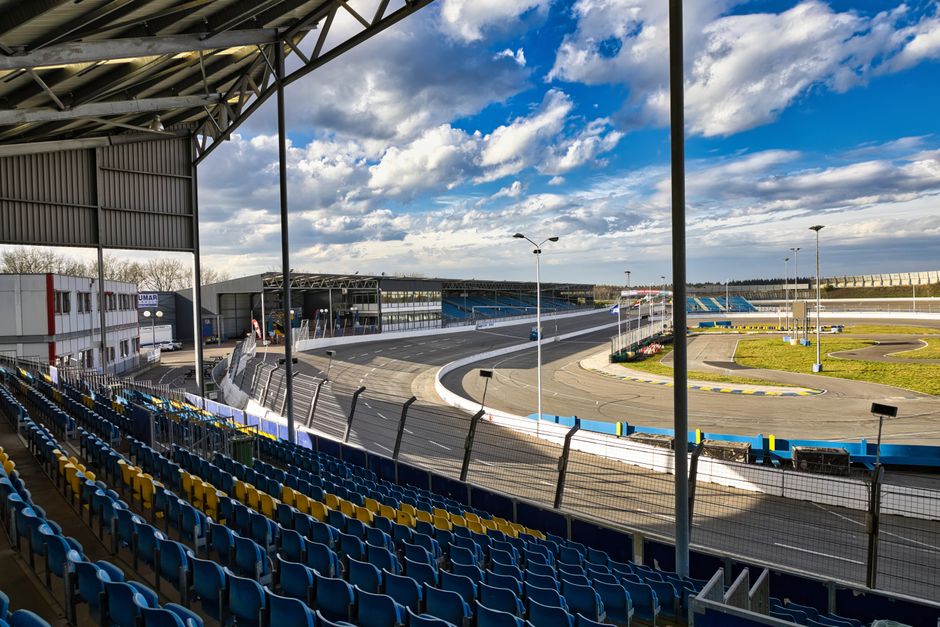
Television flattens everything. In person the cars are far louder, far faster through corners and far less dramatic down the straights than you expect. Pick a corner with a braking zone rather than a grandstand on the start line, take ear protection seriously, and walk between corners during support races — the same circuit looks like a different track from three vantage points.
New to all this? The sessions make more sense once you know how a race weekend is built, and if you are thinking about driving rather than watching, start with the safety basics.